Penis Anxiety Help and Performance Confidence Reset
Penis Anxiety Help is one of the most searched yet least openly discussed topics in men’s sexual health. Behind that phrase is often a quiet fear: Am I enough? Size worries, erection concerns, and comparison culture can slowly erode confidence. Over time, this anxiety doesn’t just affect sex — it shapes identity, posture, and even relationship behavior.
Performance confidence is not built by force or denial. It develops when the nervous system feels safe, the mind understands realistic expectations, and the body is supported with healthy habits. In this guide, we’ll explore how penis anxiety forms, how stress affects erections, and how to reset confidence in a grounded, evidence-based way.
Table of Contents – Penis Anxiety Help
- Why Penis Anxiety Happens
- Stress, Anxiety, and Erectile Performance
- Size Myths and Comparison Culture
- Nervous System Regulation for Confidence
- Attachment Patterns and Sexual Security
- Practical Performance Confidence Reset
- Communication and Partner Reassurance
- Key Takeaways
- Frequently Asked Questions
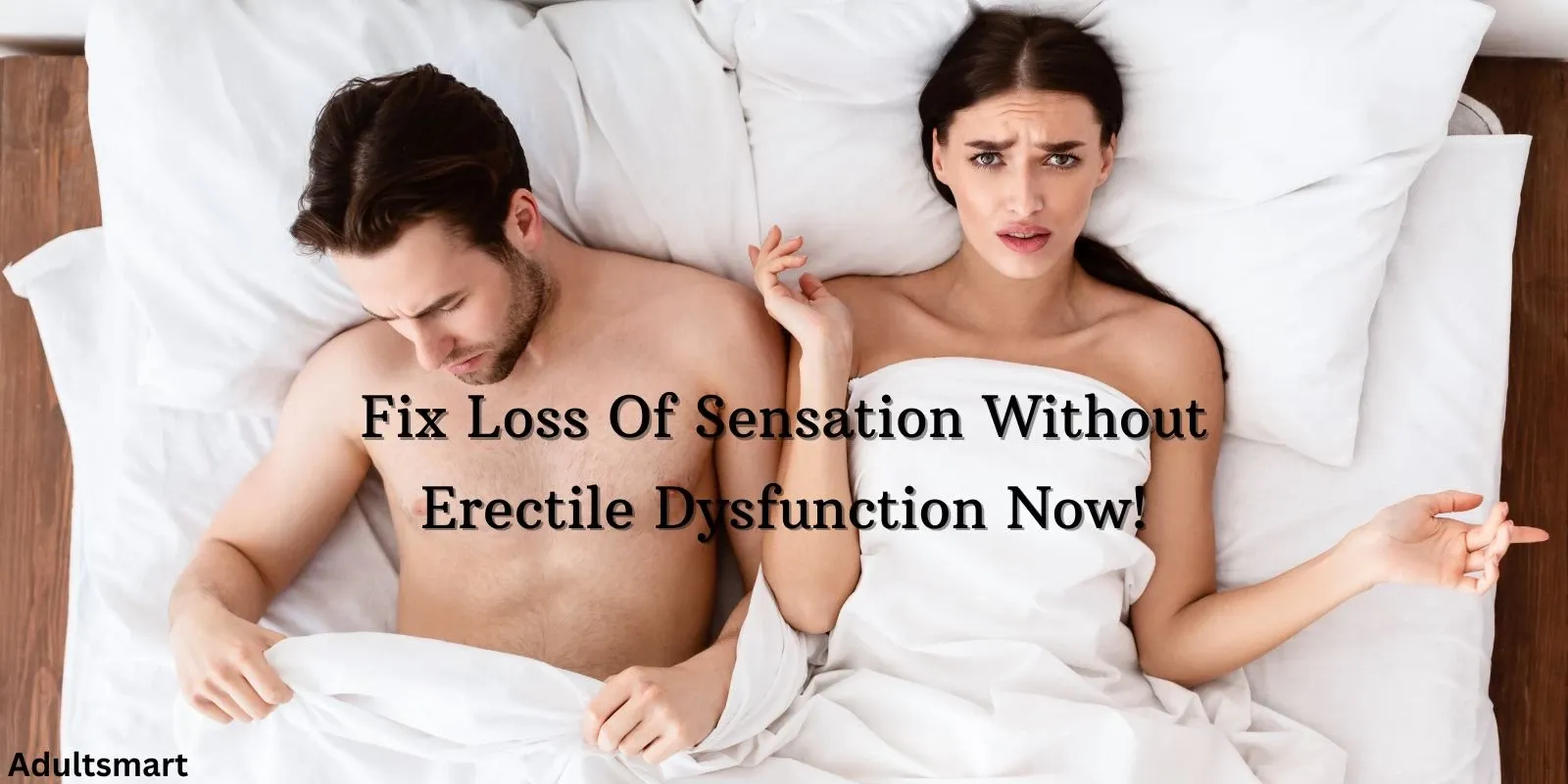
Why Penis Anxiety Happens
Penis anxiety rarely starts in adulthood. It often begins in adolescence through locker-room comparison, pornography exposure, or cultural myths about masculinity. When a young man internalizes the idea that size equals worth, that belief can quietly shape his adult sexual self-image. Even normal variations begin to feel like flaws.
In my studies of male body image concerns, one pattern I’ve noticed is that anxiety is rarely about actual anatomy. It’s about fear of rejection. The mind interprets potential criticism as a threat to belonging. This activates survival circuits, which amplify insecurity far beyond objective reality.
Seeking Penis Anxiety Help is not weakness. It’s a sign of awareness. When men question the beliefs driving their insecurity, they begin shifting from comparison to clarity. Confidence grows not from denial but from accurate information and emotional grounding.
Stress, Anxiety, and Erectile Performance
Erections depend heavily on parasympathetic nervous system activation — the body’s “rest and connect” mode. When anxiety spikes, the sympathetic system activates instead. Blood vessels constrict, heart rate increases, and sexual arousal pathways become secondary to perceived survival threats.
According to Healthy Male’s explanation of stress and erectile function, anxiety directly interferes with blood flow and performance reliability. This is why performance anxiety often creates the very outcome men fear. The body responds to stress signals, not to conscious desire alone.
Research summarized by Medical News Today’s overview of performance anxiety reinforces that psychological stress can significantly impact erection quality. Understanding this connection reduces shame. It shifts the narrative from “my body is broken” to “my nervous system is overstimulated.”
Size Myths and Comparison Culture
One major driver of penis anxiety is unrealistic comparison. Pornography often features men selected for extreme anatomy, creating a distorted baseline. Many men assume they fall below average when objective measurements show otherwise. Exploring data around woman’s ideal penis size often reveals that preference ranges are far more moderate than media suggests.
One pattern I’ve noticed in therapy sessions is that men rarely discuss these fears openly. Silence magnifies insecurity. When clients finally speak about their concerns, they often discover their assumptions were exaggerated. Honest education reduces anxiety more effectively than self-criticism ever could.
Nervous System Regulation for Confidence
Penis Anxiety Help frequently begins with calming the body rather than analyzing the mind. Slow breathing techniques, longer exhalations, and grounding exercises activate the vagus nerve. This shifts physiology toward relaxation, which improves erection quality naturally.
Confidence grows when the body feels stable. Chronic stress keeps cortisol elevated, which can suppress testosterone and reduce nitric oxide availability. These biochemical shifts influence both libido and erection strength. Regulating stress is therefore both a psychological and physiological intervention.
In my work with men rebuilding confidence, I’ve observed that consistency matters more than intensity. Gentle daily nervous system practices create long-term resilience. The goal is not eliminating anxiety entirely but preventing it from dominating sexual experiences.
Attachment Patterns and Sexual Security
Attachment styles influence sexual behavior more than most men realize. Anxiously attached individuals may seek reassurance through performance, fearing abandonment if they disappoint. Avoidant attachment may suppress vulnerability, leading to emotional distance during intimacy.
When emotional safety improves, performance anxiety often decreases. Partners who communicate reassurance and warmth help regulate each other’s nervous systems. Sexual confidence becomes a shared experience rather than an individual test of adequacy.
Practical Performance Confidence Reset
A performance reset begins with shifting focus from outcome to experience. Instead of obsessing over firmness or duration, redirect attention to sensation, breath, and connection. This reduces pressure and supports parasympathetic dominance. Many men find that when they stop monitoring their erection, it strengthens naturally.
Physical conditioning also supports confidence. Cardiovascular health improves blood vessel flexibility, while strength training supports hormone balance. Exploring ways to boost your sexual performance through health optimization provides tangible reassurance rooted in physiology rather than fantasy.
Practical skill-building matters too. Learning the best ways to make sex last longer can reduce anticipatory anxiety. When men feel equipped with strategies, fear decreases. Preparation enhances calmness, and calmness enhances performance.
Communication and Partner Reassurance
Open dialogue about insecurity may feel uncomfortable, yet it often transforms relationships. When partners respond with empathy instead of judgment, shame dissolves. Emotional closeness supports arousal because safety supports relaxation.
One pattern I’ve noticed is that many partners are unaware of the depth of male insecurity. Once conversations begin, misunderstandings shrink. Intimacy strengthens when vulnerability is met with respect rather than silence.
Penis Anxiety Help
Penis Anxiety Help is not about achieving perfection. It’s about restoring trust in your body and calming the survival circuits that distort perception. Performance confidence grows when stress decreases, expectations become realistic, and connection deepens. You don’t need extreme measures — you need regulation, clarity, and supportive habits. When those foundations are steady, confidence becomes sustainable rather than fragile.

Key Takeaways
- Penis anxiety often stems from comparison culture and fear of rejection.
- Stress and nervous system activation directly impact erection quality.
- Realistic size expectations reduce unnecessary insecurity.
- Nervous system regulation improves both confidence and performance.
- Communication and health optimization support lasting sexual resilience.
Frequently Asked Questions – Penis Anxiety Help
Is penis anxiety common?
Yes. Many men experience size or performance worries, though few discuss them openly.
Can anxiety cause erectile dysfunction?
Yes. Stress activates the sympathetic nervous system, which restricts blood flow needed for erections.
Does size determine sexual satisfaction?
Research suggests emotional connection, technique, and communication are stronger predictors than size alone.
How can I calm performance anxiety quickly?
Slow breathing, longer exhalations, and grounding techniques can shift the body into a relaxed state.
When should I seek professional help?
If anxiety consistently interferes with intimacy or causes distress, speaking with a healthcare provider or therapist is beneficial.