Male Pelvic Floor Dysfunction and Premature Ejaculation
Male Pelvic Floor Dysfunction is an often misunderstood contributor to premature ejaculation. Many men assume ejaculation control is purely psychological or hormonal, yet the pelvic floor muscles play a direct mechanical and neurological role. When these muscles are either too tight or poorly coordinated, control becomes inconsistent.
Premature ejaculation is rarely about weakness alone. In my studies, I’ve seen that chronic tension, stress, and nervous system overactivation frequently tighten the pelvic floor unconsciously. This tension can accelerate arousal and reduce voluntary control. Understanding the link between Male Pelvic Floor Dysfunction and ejaculation timing creates a more practical and compassionate path toward improvement.
Table of Contents – Male Pelvic Floor Dysfunction
- What Is Male Pelvic Floor Dysfunction?
- How Pelvic Floor Dysfunction Affects Ejaculation
- Nervous System Regulation and Muscle Tension
- Common Symptoms Men Overlook
- Treatment and Recovery Options
- Rebuilding Confidence and Control
- Key Takeaways
- Frequently Asked Questions
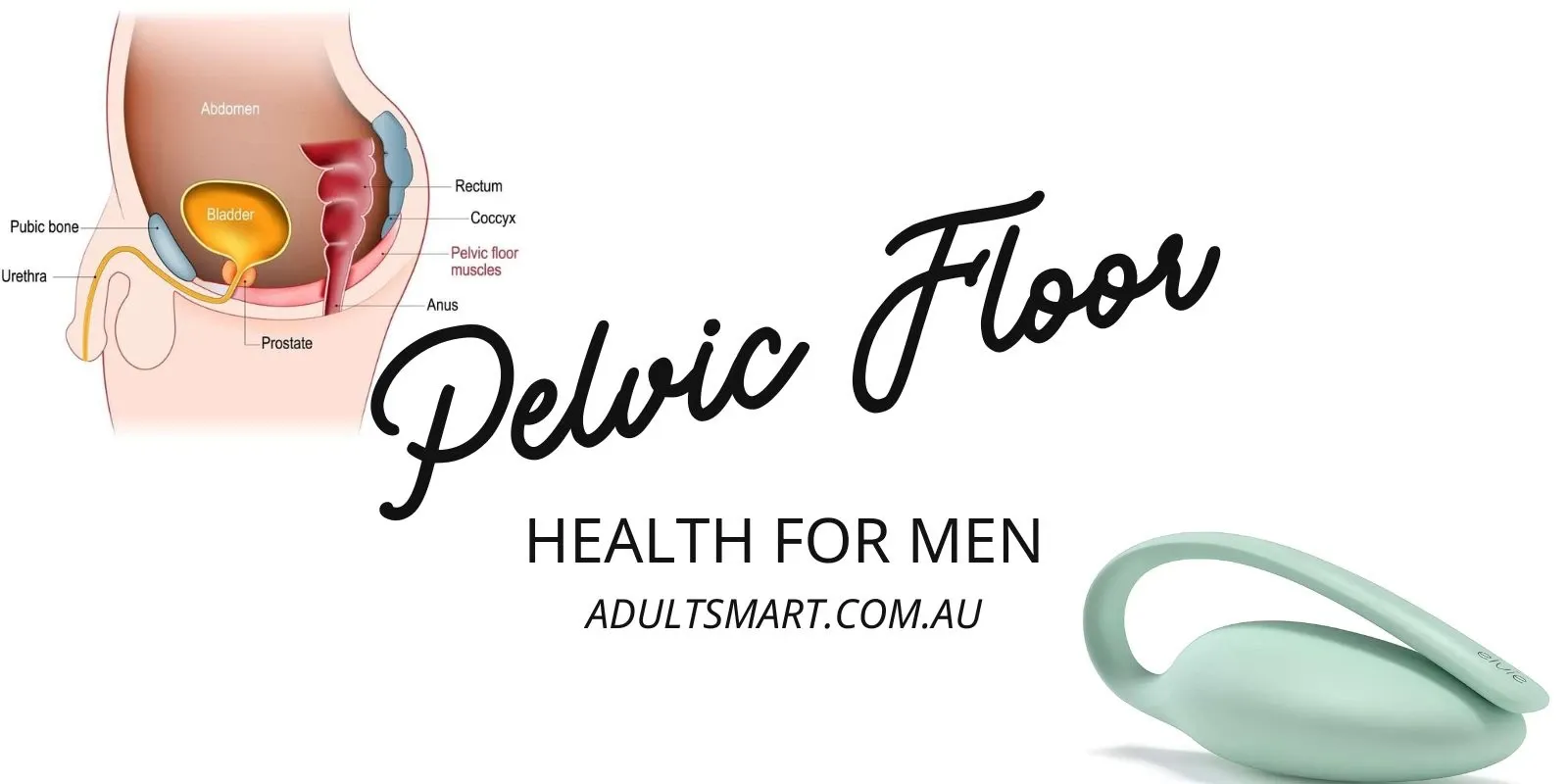
What Is Male Pelvic Floor Dysfunction?
Male Pelvic Floor Dysfunction refers to impaired coordination, weakness, or excessive tightness in the muscles that support the bladder, bowel, and sexual organs. These muscles form a supportive sling at the base of the pelvis. When functioning properly, they contract and relax rhythmically during erection and ejaculation.
Clinical resources such as Cleveland Clinic’s overview of pelvic floor dysfunction explain that dysfunction can involve either weakness or overactivity. In men, overactive or hypertonic pelvic floor muscles are frequently linked to premature ejaculation. Chronic clenching reduces flexibility and control.
Importantly, dysfunction does not mean permanent damage. Muscles respond to training and relaxation strategies. When approached thoughtfully, many men regain coordination and improve ejaculatory timing within months.
How Pelvic Floor Dysfunction Affects Ejaculation
Ejaculation is controlled by a complex interaction between pelvic floor contractions and nervous system signals. During climax, rapid rhythmic contractions propel semen outward. If the pelvic floor is already tense at baseline, these contractions may trigger prematurely.
In hypertonic cases of Male Pelvic Floor Dysfunction, the muscles remain partially contracted even at rest. This creates heightened sensitivity and shortens the arousal window. One pattern I’ve noticed is that men who constantly brace their abdomen or hold tension during stress often experience quicker ejaculation.
Medical discussions such as Male Pelvic Floor Dysfunction causes and treatment highlight how improper muscle coordination can influence urinary and sexual control. Premature ejaculation may be a muscular coordination issue rather than purely psychological.
Nervous System Regulation and Muscle Tension
Male Pelvic Floor Dysfunction does not occur in isolation from the nervous system. The pelvic floor is highly responsive to stress signals. When the sympathetic nervous system dominates, muscles tighten automatically as part of the body’s protective response.
In my clinical reflections, men with high performance anxiety frequently display elevated pelvic tension. Their breathing becomes shallow, and abdominal bracing intensifies during arousal. This combination accelerates climax. Relaxation and breathwork often reduce symptoms significantly.
Attachment patterns also influence muscle tone. Anxiously attached individuals may fear losing connection, unconsciously rushing intimacy. Avoidant patterns may suppress sensation, leading to inconsistent control. Regulating emotional safety supports muscular relaxation.
Common Symptoms Men Overlook
Many men with Male Pelvic Floor Dysfunction do not recognize subtle warning signs. Occasional pelvic discomfort, urinary urgency, or difficulty fully relaxing during sex may appear unrelated at first. These signs often coexist with premature ejaculation.
Some men attempt mechanical solutions such as erectile dysfunction bands and how they work without addressing underlying muscle tension. While such tools may help temporarily, coordination and relaxation remain foundational.
Other men exploring erectile dysfunction causes and treatments may find overlapping vascular or anxiety components. Pelvic health interacts with circulation and nerve signaling, reinforcing the need for comprehensive evaluation.
Treatment and Recovery Options
Treatment for Male Pelvic Floor Dysfunction varies depending on whether the muscles are weak, tight, or poorly coordinated. For hypertonic patterns linked to premature ejaculation, relaxation and down-training exercises are often more effective than strengthening alone.
Breathwork that expands the diaphragm encourages pelvic floor relaxation. Gentle stretching and guided pelvic release exercises improve flexibility. Pelvic physical therapy provides targeted feedback, helping men retrain muscle timing.
Education is equally important. Resources focused on understanding sexual dysfunctions can reduce shame and normalize treatment. When men recognize that muscular dysfunction is common and treatable, anxiety decreases and progress accelerates.
In some cases, strengthening exercises such as controlled contractions are introduced once relaxation is established. The key is balance. Excessive strengthening without relaxation may worsen premature ejaculation.
Rebuilding Confidence and Control
Male Pelvic Floor Dysfunction affects more than physical timing; it impacts identity and confidence. Many men interpret premature ejaculation as a personal failure rather than a neuromuscular issue. This misinterpretation deepens anxiety and reinforces tension.
In my studies, the most sustainable improvements occur when men shift from performance pressure to body awareness. Slowing arousal, practicing breathing, and gently retraining muscle coordination builds self-trust. Progress often feels gradual but steady.
Confidence grows not from perfection but from consistency. When muscles relax and timing improves, intimacy becomes less pressured. Emotional presence increases alongside physical control.
Male Pelvic Floor Dysfunction
Male Pelvic Floor Dysfunction and premature ejaculation are deeply connected through muscle coordination and nervous system regulation. Addressing tension rather than forcing endurance creates sustainable change. With patient training and professional guidance when needed, control improves naturally.

Key Takeaways
- Male Pelvic Floor Dysfunction can contribute to premature ejaculation.
- Hypertonic pelvic muscles often shorten the arousal window.
- Nervous system stress increases pelvic tension and sensitivity.
- Relaxation and coordination training are essential for recovery.
- Confidence improves when muscular control becomes consistent.
Frequently Asked Questions – Male Pelvic Floor Dysfunction
Can pelvic floor tension cause premature ejaculation?
Yes, chronic muscle tightness can increase sensitivity and accelerate climax.
Are Kegel exercises always helpful?
Not always. Overactive muscles may require relaxation before strengthening.
How long does recovery take?
Many men notice improvement within weeks, though full coordination may take months.
Is pelvic floor therapy necessary?
Professional guidance can accelerate progress, especially in complex cases.
Can stress alone cause pelvic floor dysfunction?
Chronic stress can contribute significantly by increasing muscular tension.