Jelqing Side Effects and Long-Term Erectile Dysfunction Risk
Searches for jelqing side effects have grown as more men look for non-surgical ways to enhance size or performance. Jelqing is often described as a natural stretching exercise, passed around in forums and social media as a low-cost alternative to medical treatments. But when it comes to sexual health, the body is rarely as simple as internet advice makes it seem.
As a therapist-informed educator, I approach this topic with care. Behind every search about penis enlargement is usually a deeper question about confidence, desirability, or adequacy. Understanding jelqing side effects and the potential long-term erectile dysfunction risk isn’t about fear—it’s about informed choice, nervous system safety, and protecting your sexual wellbeing over time.
Table of Contents – Jelqing Side Effects
- What Is Jelqing?
- Common Jelqing Side Effects
- Long-Term Erectile Dysfunction Risk
- The Nervous System and Sexual Performance
- Psychology, Attachment, and Body Image
- What Medical Sources Say
- Safer Alternatives and Healthy Focus
- Key Takeaways
- Frequently Asked Questions
What Is Jelqing?
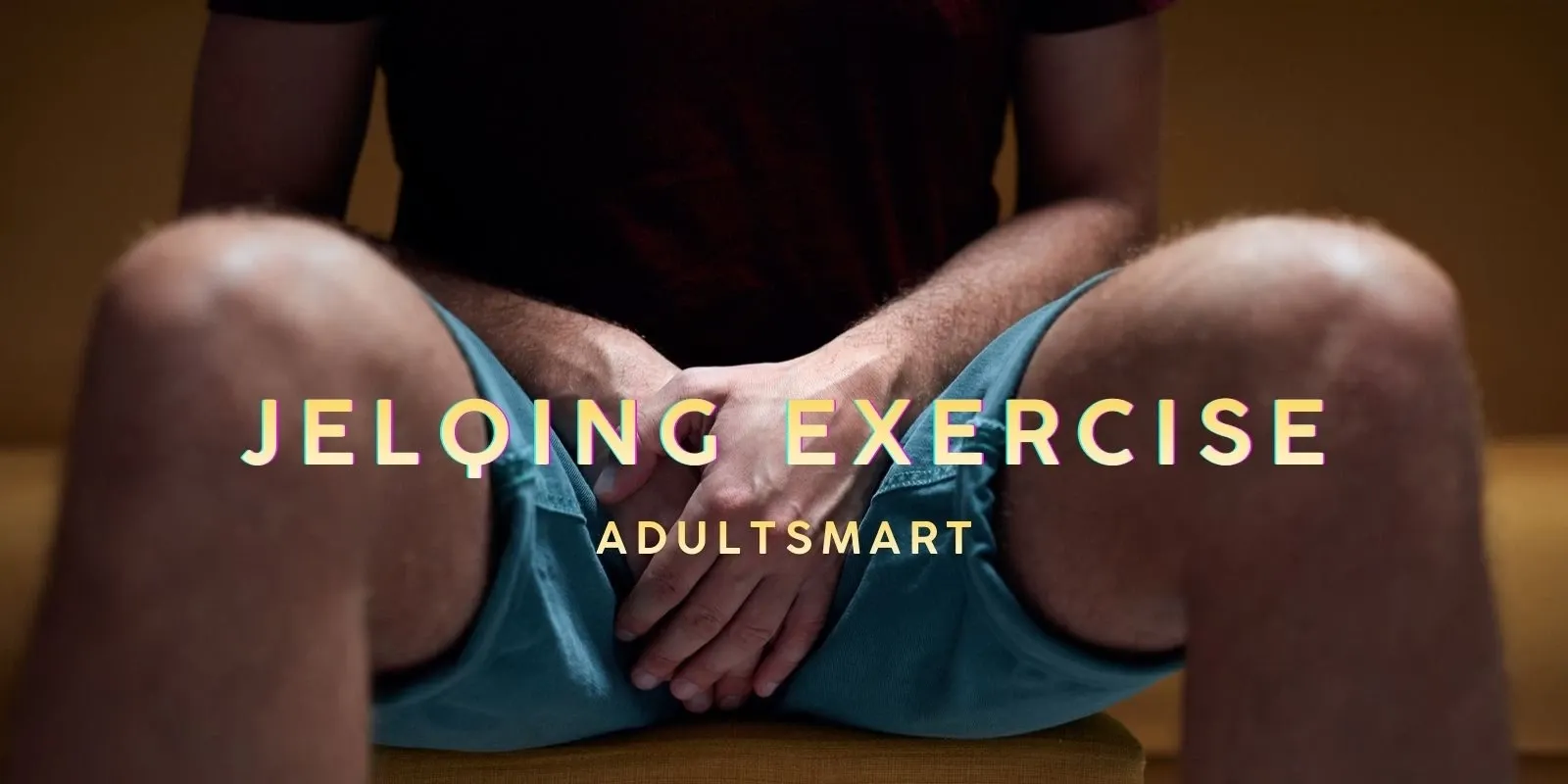
Jelqing is a manual stretching technique that involves repeatedly pulling or “milking” the semi-erect penis in an attempt to increase length or girth. Online claims suggest it works by forcing blood into the shaft and creating micro-expansion over time. However, there is no high-quality clinical evidence supporting permanent enlargement through this method.
According to Healthline’s medical review of jelqing, the practice lacks scientific backing and carries injury risks. Similarly, WebMD’s overview of jelqing safety notes that potential harm outweighs unproven benefits. From a physiological standpoint, penile tissue is vascular and delicate, not designed for repetitive mechanical strain.
Common Jelqing Side Effects
When men research jelqing side effects, they often encounter reports of bruising, swelling, and soreness. These are signs of tissue stress. The penis contains blood vessels, smooth muscle, and connective tissue that respond poorly to excessive force. Repeated pressure can cause small tears in the tunica albuginea, the fibrous sheath responsible for maintaining erection rigidity.
Other reported side effects include reduced sensitivity, numbness, and discoloration. Nerve irritation may occur when traction compresses superficial nerve endings. In my studies of men recovering from sexual performance anxiety, I’ve noticed that physical injury often compounds psychological stress, creating a feedback loop where fear of damage interferes with arousal.
More serious complications can include scar tissue formation or early signs of Peyronie’s-like curvature. Scar tissue disrupts smooth blood trapping during erection. While mild bruising may resolve, repeated trauma increases cumulative risk. The body does heal, but it does not always restore tissue to its original elasticity or responsiveness.
Long-Term Erectile Dysfunction Risk
The concern about long-term erectile dysfunction risk is not exaggerated. Erections depend on coordinated vascular flow, intact nerve signaling, and healthy smooth muscle relaxation. Trauma from aggressive stretching may damage small blood vessels, reducing efficient blood inflow or impairing the ability to trap blood within the erectile chambers.
Over time, fibrosis—thickened scar tissue—can reduce elasticity. Reduced elasticity means less expansion during arousal, which may translate into weaker or less sustainable erections. One pattern I’ve noticed clinically is that men often misinterpret early erection changes as psychological failure, when subtle vascular injury may be contributing.
It’s also important to clarify that erectile dysfunction rarely stems from one factor alone. Physical microtrauma combined with anxiety about performance can accelerate dysfunction. The more someone worries about whether they have “damaged” themselves, the more sympathetic nervous system activation interferes with natural erection pathways.
The Nervous System and Sexual Performance
An erection is primarily a parasympathetic event, meaning it occurs when the body feels safe and relaxed. When the nervous system shifts into fight-or-flight mode, blood flow prioritizes survival functions, not sexual arousal. If jelqing leads to pain or fear of injury, the nervous system may associate arousal with danger rather than pleasure.
Chronic worry about size or function activates stress hormones like cortisol and adrenaline. These chemicals constrict blood vessels and reduce nitric oxide availability, both critical for erection quality. This is one reason why understanding does penis size matter from a psychological and relational lens can be more transformative than physical manipulation.
When safety is restored—physically and emotionally—sexual function often improves. Gentle lifestyle changes that support vascular health, stress reduction, and relational confidence create measurable benefits. Trauma-based enhancement attempts, by contrast, frequently undermine the very performance they aim to improve.
Psychology, Attachment, and Body Image
Men who experiment with enlargement techniques are rarely driven by vanity alone. Many carry quiet fears about adequacy, comparison, or rejection. Attachment patterns formed early in life can influence how someone interprets sexual feedback. Anxiously attached individuals may equate size with worth, amplifying distress when insecurity arises.
In therapeutic conversations, I’ve observed that reassurance from partners often holds more power than physical change. Building emotional intimacy and communication reduces performance anxiety. When men explore topics like increase sexual stamina through health and confidence training rather than forceful methods, outcomes are more sustainable.
What Medical Sources Say
Mainstream medical guidance consistently states that there is insufficient evidence supporting jelqing for enlargement. Reports instead emphasize possible complications, including bruising, vascular injury, and erectile dysfunction. Because most injuries go unreported unless severe, mild or moderate cases may be underrepresented in formal studies.
Doctors also caution that repetitive strain may contribute to curvature disorders or altered sensation. Even concerns like can the penis shrink without use are often misunderstood. Size fluctuation is usually related to temperature, stress, or circulation—not lack of stretching exercises.
Safer Alternatives and Healthy Focus
If enhancement is the goal, focusing on cardiovascular fitness, pelvic floor strength, and psychological confidence offers measurable returns. Erectile quality is strongly linked to heart health, nitric oxide production, and metabolic stability. Exercise, sleep optimization, and stress reduction improve erection strength without risking tissue injury.
Mindfulness-based approaches also support performance. When men learn to regulate breath and stay present, parasympathetic activation increases naturally. One pattern I’ve noticed is that men who shift from “fixing” their penis to caring for their overall health report greater satisfaction—even when measurable size remains unchanged.
Open conversations with a healthcare professional provide clarity. If concerns about size or function persist, evidence-based medical options exist, including vacuum devices under supervision or counseling for performance anxiety. Self-directed trauma to sensitive tissue rarely produces the long-term confidence most men are seeking.
jelqing side effects
Understanding jelqing side effects is ultimately about protecting long-term sexual vitality. The penis is not a muscle to be aggressively trained; it is a vascular organ requiring circulation, nerve integrity, and emotional safety. While curiosity about enhancement is natural, the long-term erectile dysfunction risk makes caution essential. Preserving erectile health today supports confidence, intimacy, and wellbeing for decades ahead.

Key Takeaways
- Jelqing side effects can include bruising, nerve irritation, and scar tissue formation.
- Repeated trauma may increase long-term erectile dysfunction risk.
- Erections depend on vascular health and nervous system regulation.
- Psychological stress can amplify physical erectile concerns.
- Evidence-based health practices are safer than unproven enlargement methods.
Frequently Asked Questions – Jelqing Side Effects
Can jelqing permanently increase size?
No high-quality scientific evidence supports permanent enlargement from jelqing, and medical sources warn of potential harm.
Are jelqing side effects reversible?
Mild bruising may heal, but repeated trauma can cause lasting tissue changes or scarring.
Can jelqing cause erectile dysfunction?
Yes, repeated vascular or nerve injury may increase the risk of erectile dysfunction over time.
Why do erections weaken after injury?
Erections rely on healthy blood vessels and nerves. Damage can reduce blood trapping and signal transmission.
What is safer than jelqing?
Improving cardiovascular health, managing stress, and seeking medical guidance are safer approaches to sexual performance concerns.